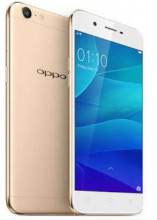
Oppo A39 CPH1605 USB Drivers will help your Windows computer recognize your Android device. Then you can transfer files from computer to Android or even install the stock or custom ROM to your Android device.
Oppo ADB USB Driver
File: get-latest_usb_driver_windows.dln
2125647c187067025667e4023e7d88eb568de2a4870b0e5b1aa355b6153d09be
Oppo Qualcomm USB Driver
File: get-latest_usb_driver_windows.dln
6f71a3f6451ed68b4feedd9cd399147d02e10fa59112e9e1d061b918c05b0ff3
OPPO A39 Specs
- Android 5.1 Lollipop. Color OS 3.0
- Dual SIM,
- 5.2-inch IPS 2.5D Gorilla Glass 4 Display, 1280 x 720 pixel resolution, ~282ppi
- 1.5GHz MediaTek MT6750 octa-core processor
- Mali-T860 GPU
- 3GB RAM
- 32GB internal storage, expandable via microSD up to 256GB
- 13-megapixel autofocus rear camera w/ LED flash
- 5-megapixel front-facing camera
- Wi-Fi 802.11a/b/g/n, hotspot
- 4G LTE
- Bluetooth 4.0
- GPS, A-GPS
- Dimensions: 149.1 x 72.9 x 7.65mm
- Weight: 147 g
- 2900mAh non-removable battery
Step 1 — Download and extract the Android USB Driver to your PC.
Step 2 — Click Start (Windows) -> Control Panel -> Device Manager (Select Device Manager).
Step 3 — On the Device Manager window find and click on computer name to select Add legacy hardware.
Step 4 — Select Next
Step 5 — Selext Install the hardware that I manually select from a list (Advanced), and click the Next
Step 6 — Select Show All Devices afterward click Next button again.
Step 7 — Click the Have Disk button.
Step 8 — Click Browse button to find the extracted Android ADB Driver -> android_winusb.inf and click on Open.
Step 9 — Click OK.
Step 10 — Now select the Android ADB Interface -> click Next button.
Step 11 — Click Next button again.
Step 12 — Windows Security box will appear, to confirm whether you really want to install the Android USB Driver, so just choose the Install this driver software anyway.
Step 13 — Once you clicked the Finish button, then repeat from step 2 to choose Android Composite ADB Interface.
Step 14 - Done.